Office design plays a direct role in how people work. A well-designed workspace can support focus, reduce fatigue, and encourage collaboration, while a poorly planned one can lead to distraction and inefficiency.
Productivity is not only about organization—it’s about creating an environment that supports different ways of working.
Start With How People Work
Before designing an office, it’s important to understand daily workflows.
- Do employees need quiet, focused areas?
- Is collaboration a priority?
- Are meetings frequent or occasional?
Most workplaces require a balance between individual concentration and team interaction. The layout should reflect this.
Create Clear Work Zones
A productive office is organized into distinct zones:
- Focus areas for individual work
- Collaboration areas for teamwork
- Breakout spaces for informal interaction
This separation helps reduce distractions and allows employees to choose the environment that fits their task.
Use Lighting Strategically
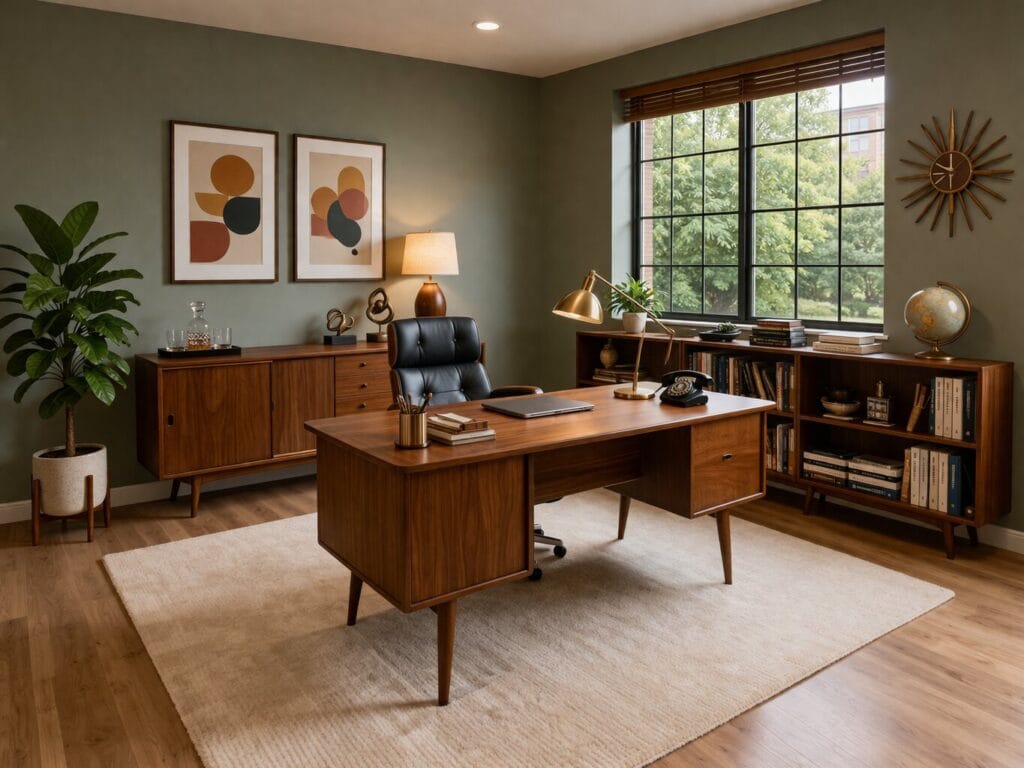
Lighting has a major impact on productivity and well-being.
- Maximize natural light whenever possible
- Avoid harsh or uneven artificial lighting
- Use task lighting where needed
A well-lit space reduces eye strain and improves comfort throughout the day.
Maintain Good Circulation
Efficient movement within the office is essential.
- Keep walkways clear and intuitive
- Avoid overcrowding desks
- Ensure easy access to shared areas
A well-organized layout supports both efficiency and comfort.
Choose the Right Furniture
Furniture should support posture, flexibility, and long working hours.
- Ergonomic chairs and desks are essential
- Adjustable elements improve comfort
- Storage should be accessible but not intrusive
Good furniture design directly contributes to productivity.
Introduce Natural Elements
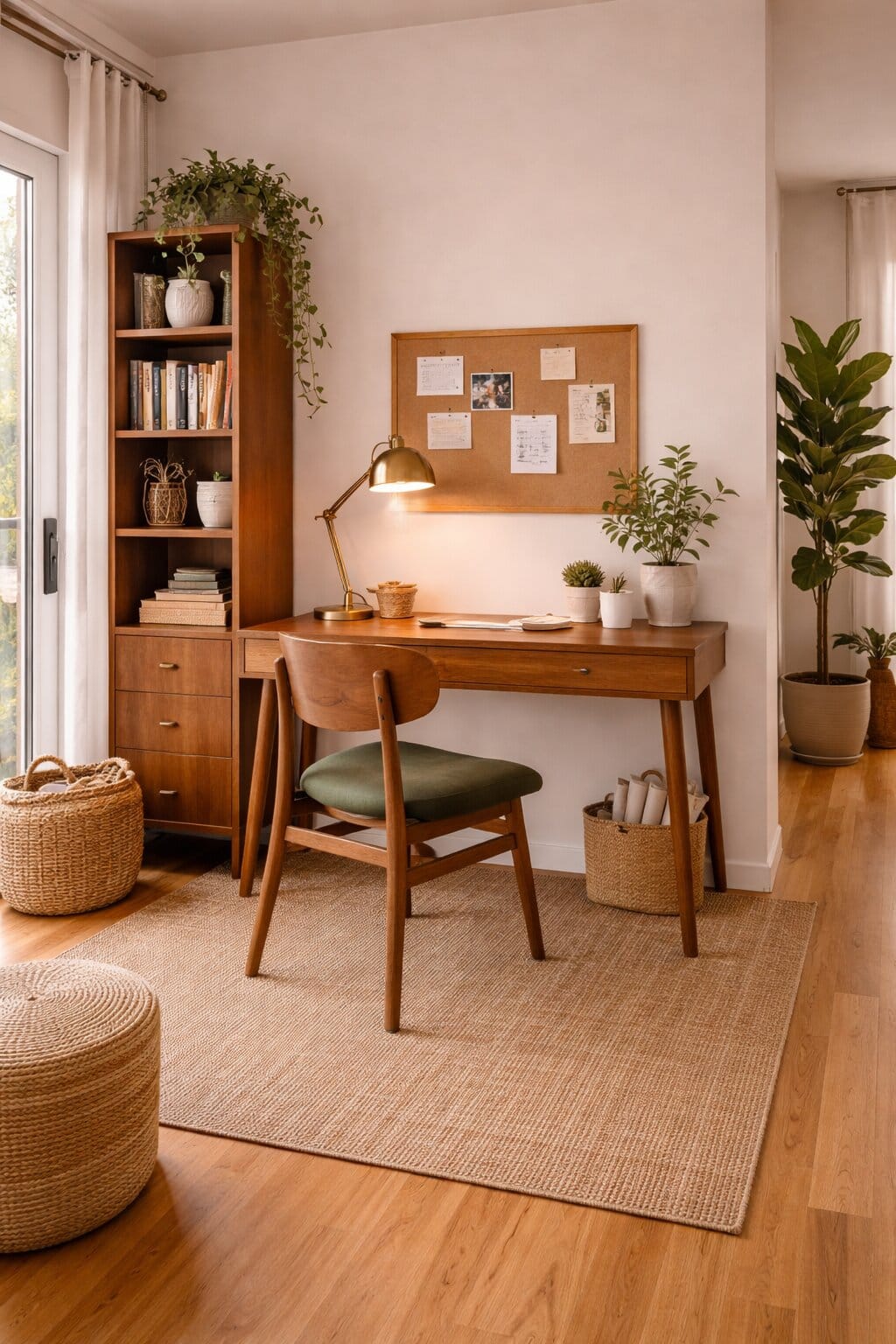
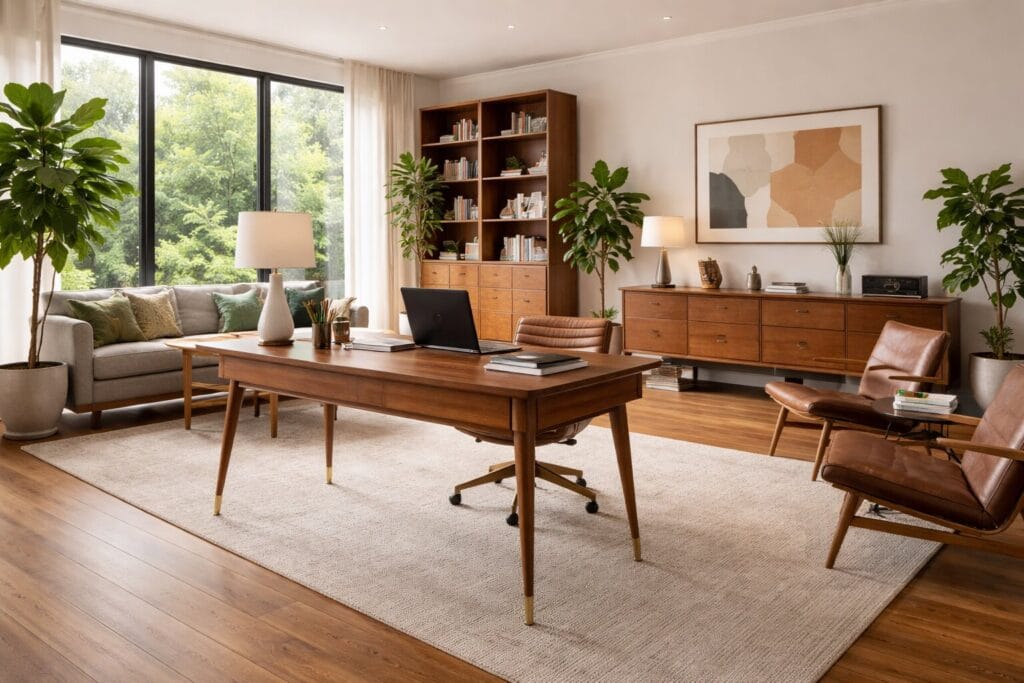
Natural materials and greenery help create a more comfortable environment.
- Wood finishes add warmth
- Plants improve atmosphere and well-being
- Neutral tones reduce visual stress
These elements make the workspace feel more human and less rigid.
Consider Acoustics
Noise can be a major source of distraction in offices.
- Use soft materials to absorb sound
- Add rugs, panels, or upholstered elements
- Separate noisy and quiet areas when possible
A controlled acoustic environment improves focus and communication.
Keep the Design Balanced
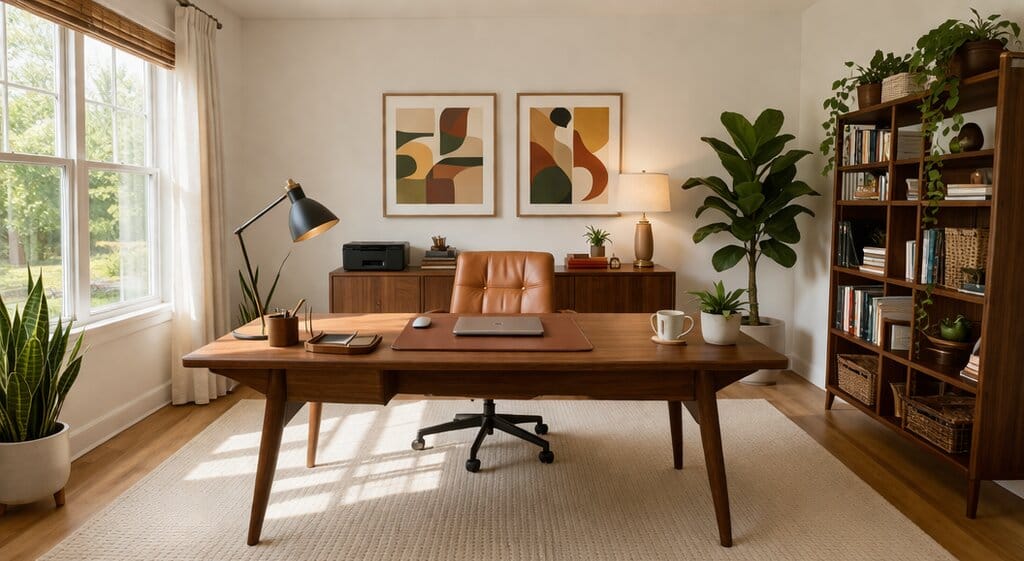
Overly busy environments can be distracting.
- Avoid excessive color contrasts
- Use a consistent material palette
- Keep visual clutter to a minimum
A balanced design supports clarity and concentration.
Common Mistakes to Avoid
- Open spaces without quiet zones
- Poor lighting conditions
- Overcrowded layouts
- Ignoring acoustics
- Prioritizing aesthetics over usability
In Practice
At MCM Studio, office design is approached through a balance of structure and comfort. By combining clear layouts, natural materials, and flexible work zones, workplaces are designed to support both productivity and well-being.
Conclusion
An effective office is one that adapts to the people who use it. By focusing on layout, lighting, materials, and comfort, it is possible to create a workspace that enhances both performance and daily experience.