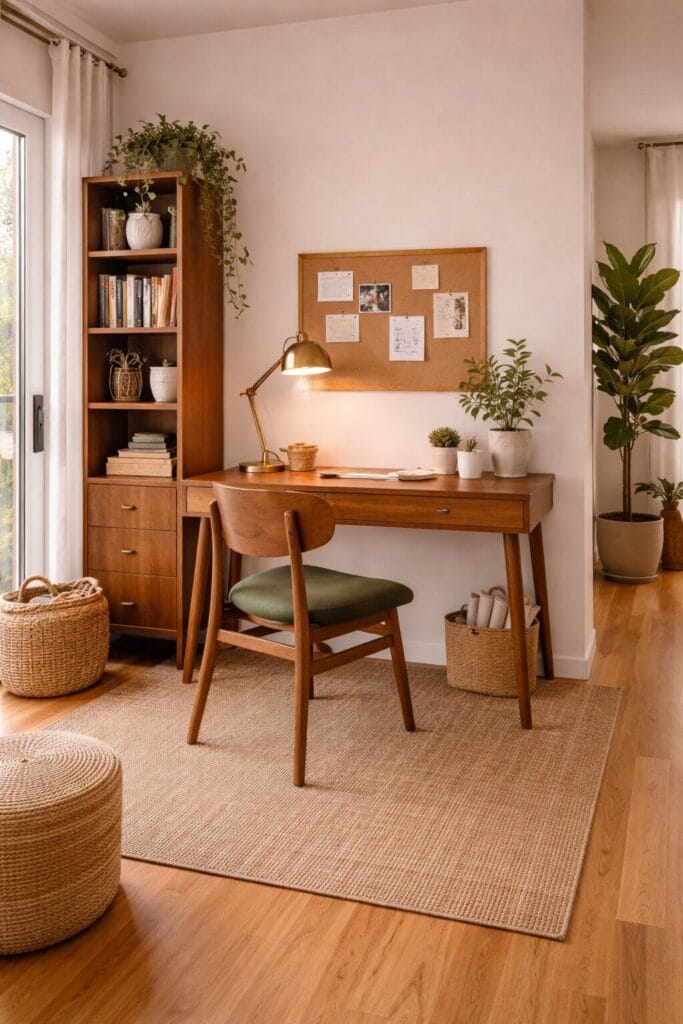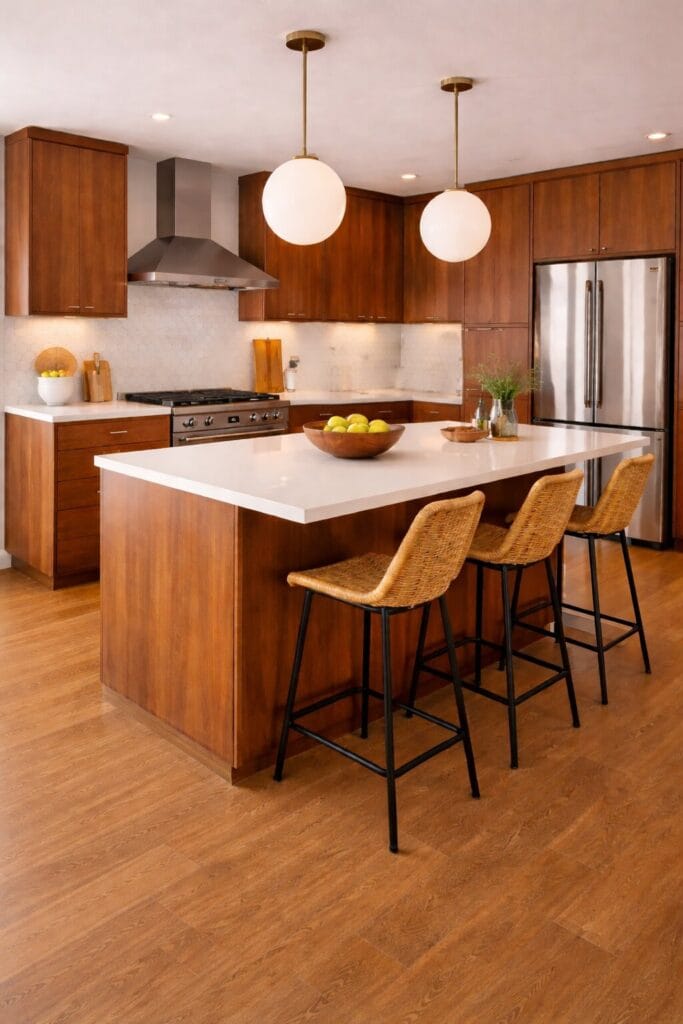
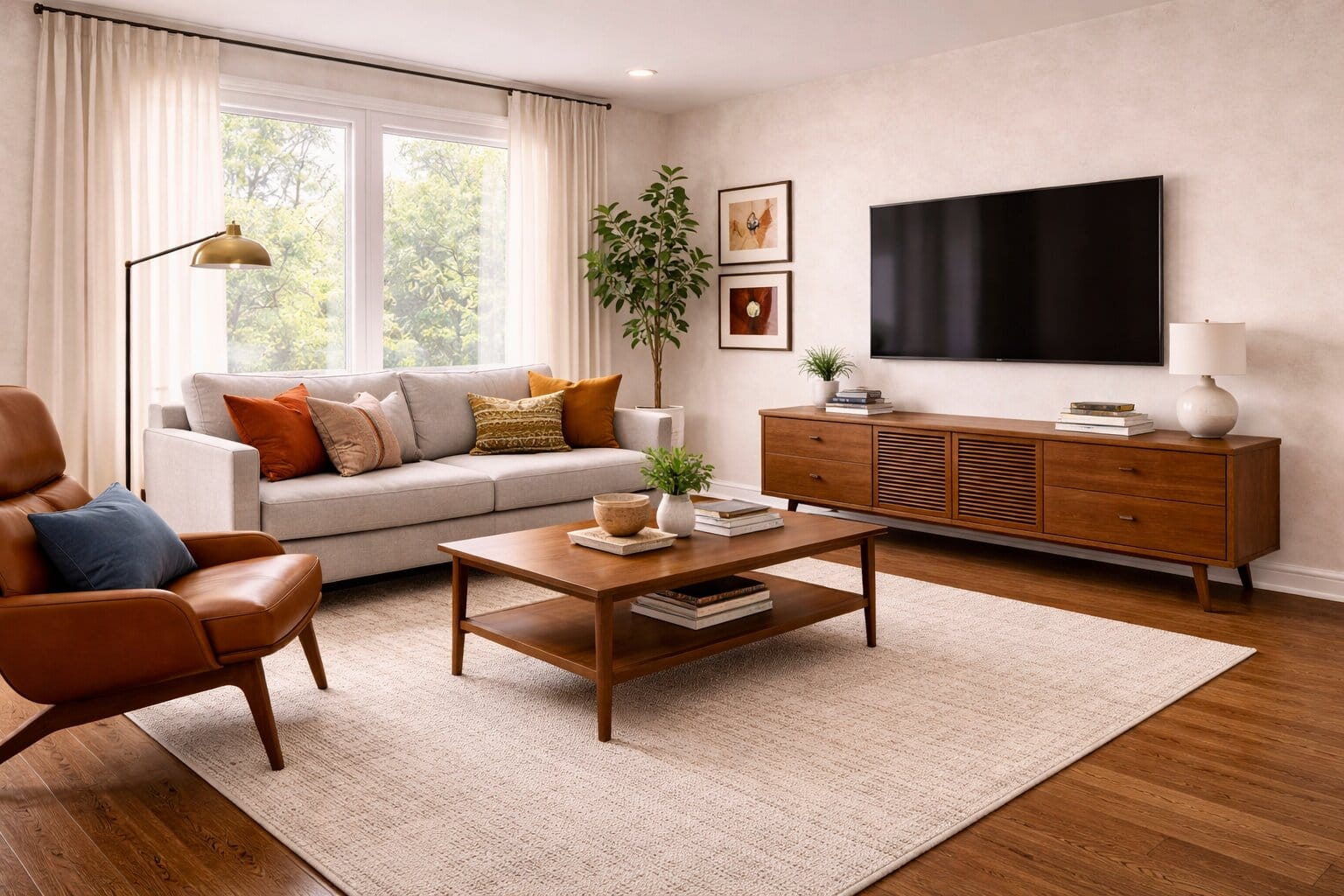
A well-designed interior is not only about aesthetics—it’s about balance, function, and thoughtful decision-making. Many common design mistakes can make a space feel uncomfortable, cluttered, or visually inconsistent.
Avoiding these pitfalls can significantly improve both the look and usability of your space.
1. Ignoring Function
One of the most common mistakes is prioritizing appearance over usability.
A space may look good, but if it doesn’t support everyday activities, it quickly becomes impractical.
What to consider:
- How the space will be used
- Movement and accessibility
- Comfort and ergonomics
Design should always start with function.
2. Poor Layout Planning
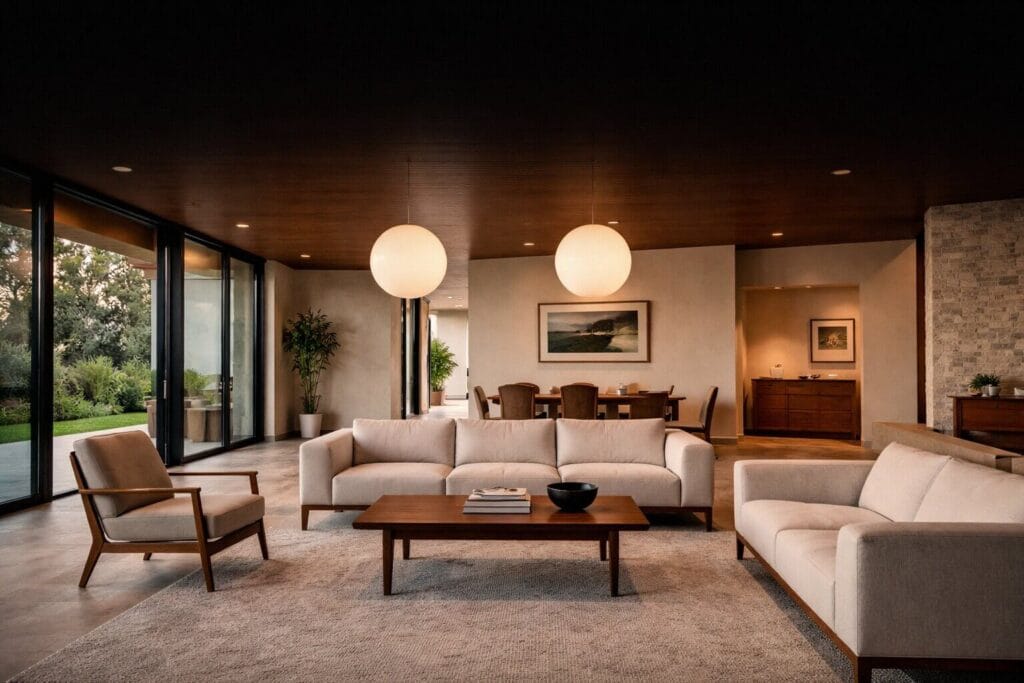
Placing furniture without a clear plan often leads to awkward or inefficient spaces.
Common issues include:
- Blocking circulation paths
- Furniture that feels disconnected
- Lack of a clear focal point
A good layout creates structure, flow, and visual balance.
3. Choosing the Wrong Scale
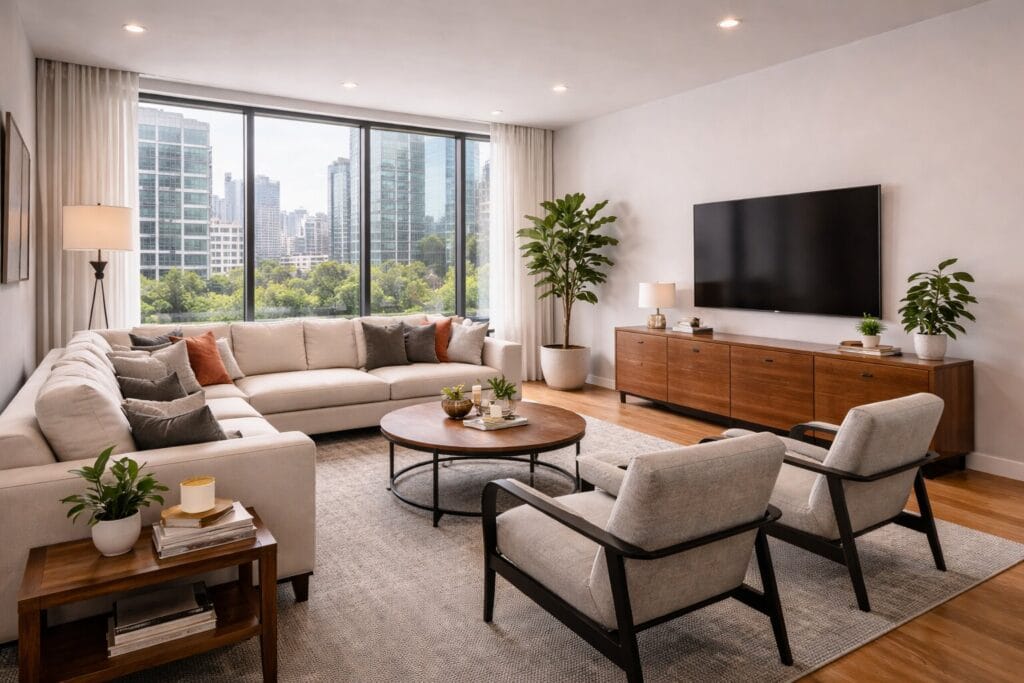
Furniture that is too large or too small can disrupt the entire room.
- Oversized pieces overwhelm small spaces
- Small furniture can feel lost in larger rooms
Maintaining proper proportions ensures harmony and comfort.
4. Overloading the Space
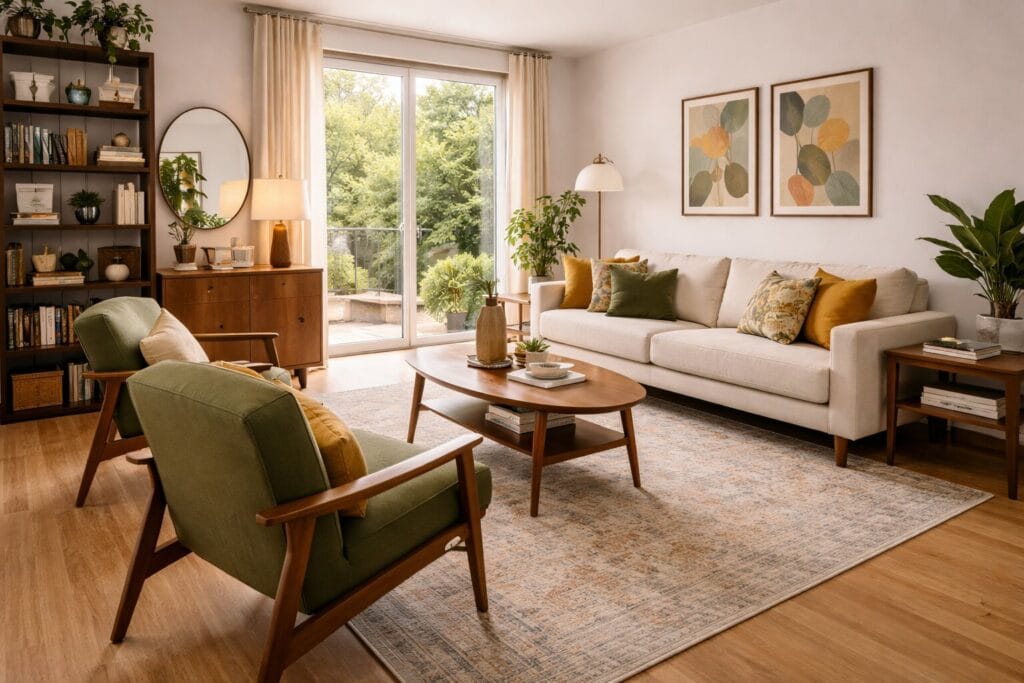
Too many elements can make a room feel crowded and unfocused.
This includes:
- Excess furniture
- Too many decorative objects
- Mixing too many styles or materials
A more restrained approach often results in a more refined interior.
5. Ignoring Lighting
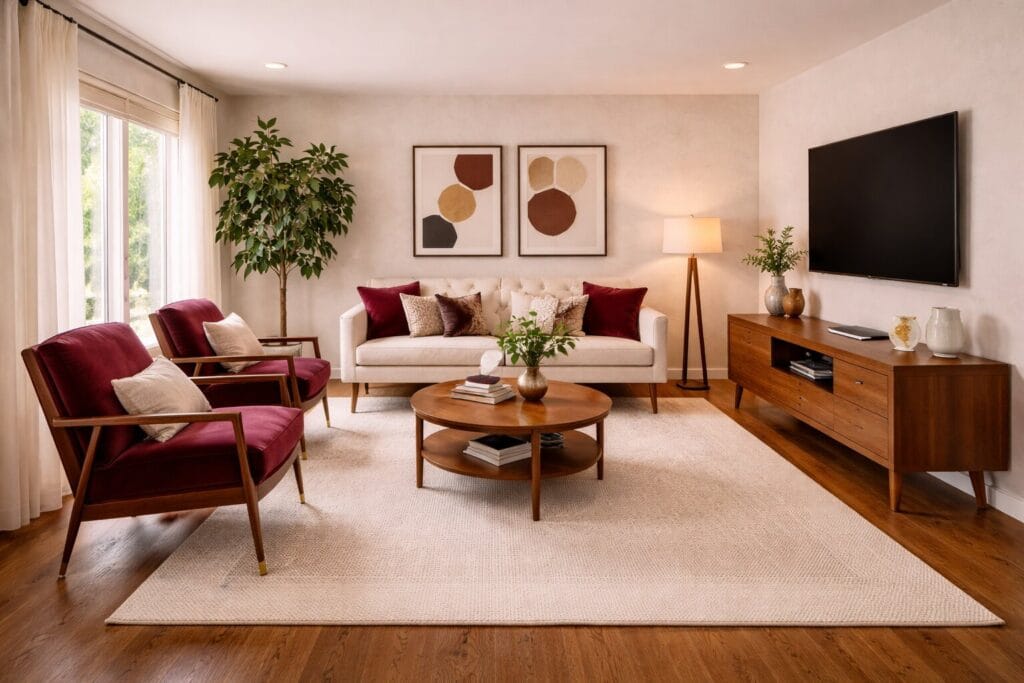
Lighting is often treated as an afterthought, but it plays a crucial role in how a space looks and functions.
Relying on a single light source can make a room feel flat or uncomfortable.
A better approach:
- Combine ambient, task, and accent lighting
- Use warm tones for a more inviting atmosphere
- Consider how light interacts with materials and colors
A Balanced Approach
Good interior design is about making intentional choices. Each element—layout, material, furniture, and lighting—should work together to create a cohesive and functional space.
In Practice
At MCM Studio, every project begins with a clear understanding of function, followed by careful planning of layout, materials, and lighting. This ensures that spaces are not only visually refined but also practical and comfortable.
Conclusion
Avoiding common design mistakes is often more important than adding new elements. By focusing on clarity, proportion, and purpose, you can create interiors that feel both balanced and enduring.