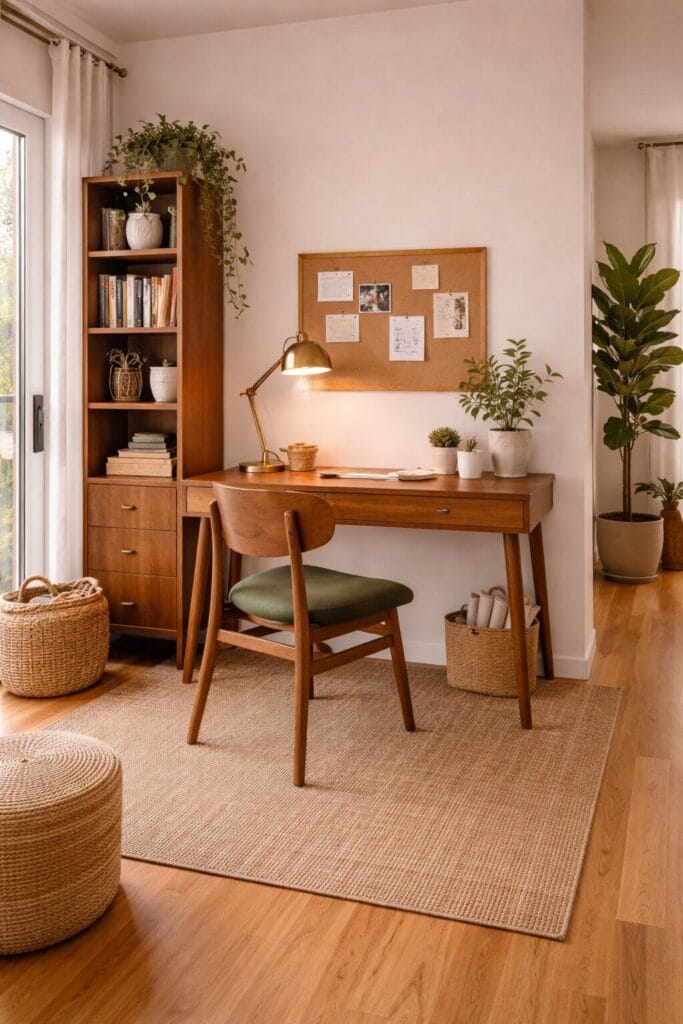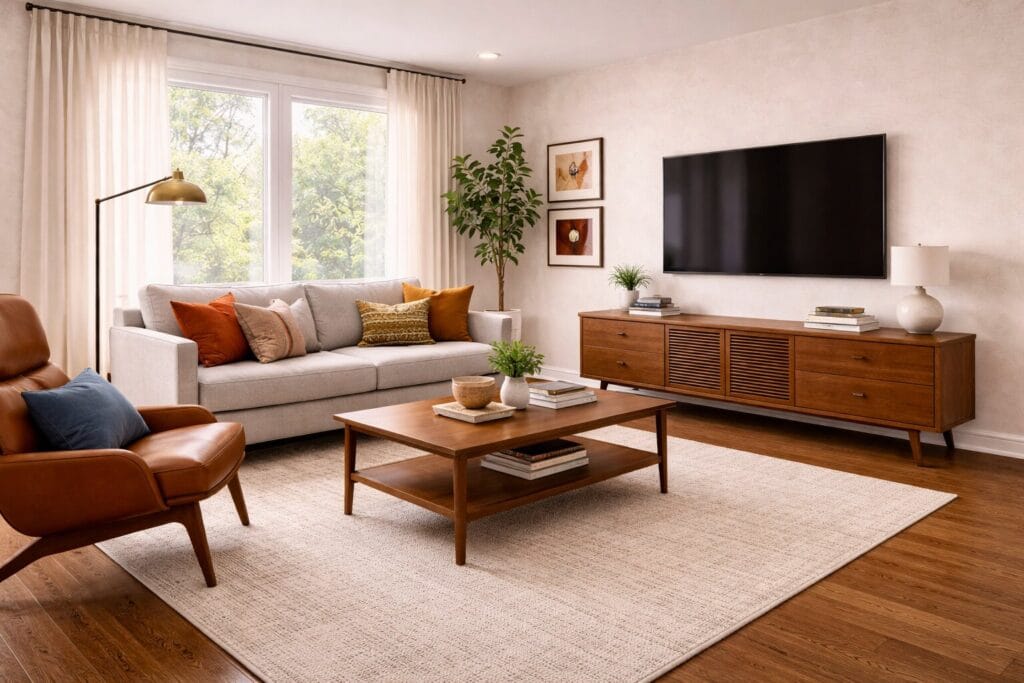
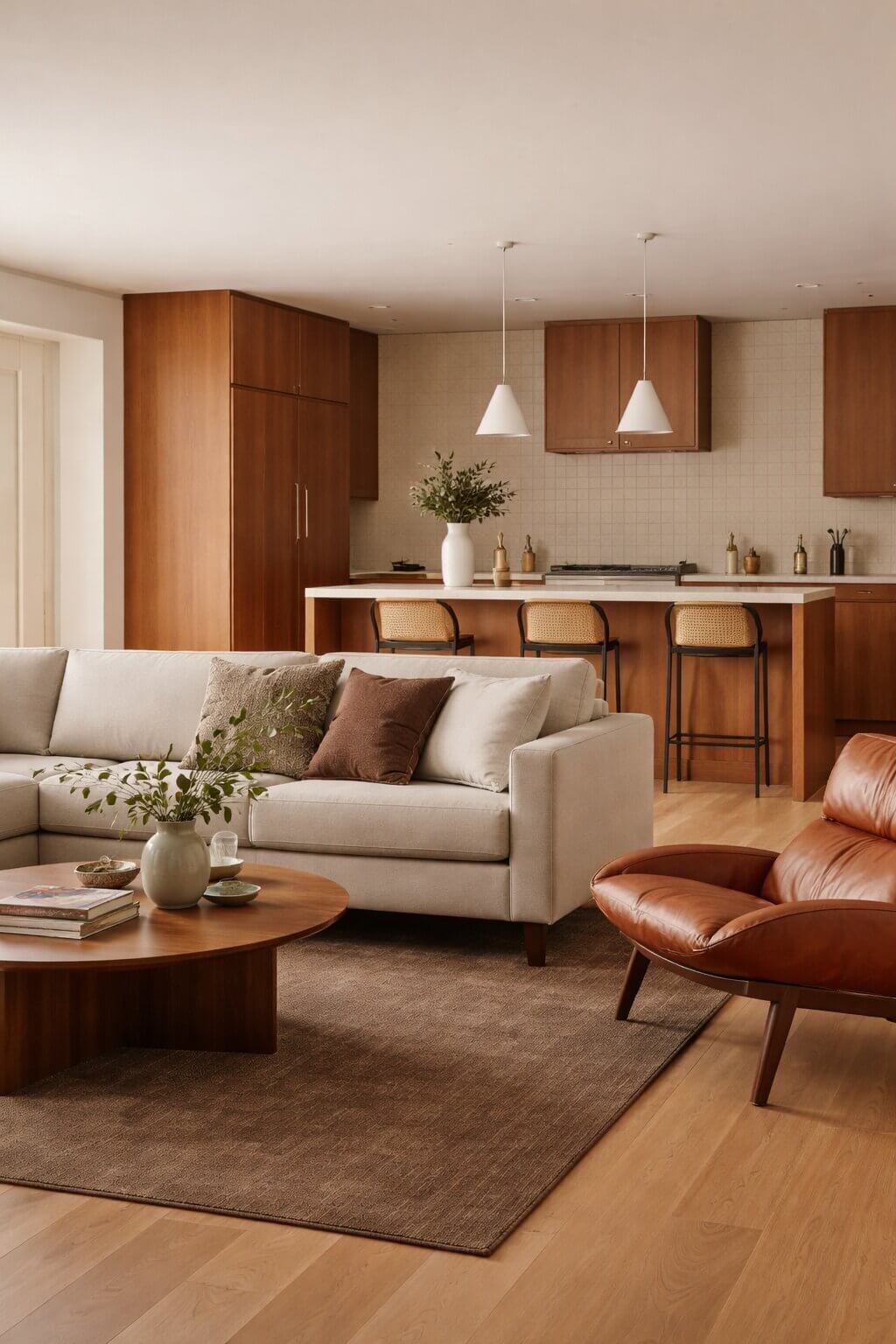
Designing a small apartment requires more than just choosing compact furniture—it’s about using space intentionally. A well-designed small interior can feel open, functional, and comfortable when layout, proportion, and materials are carefully considered.
Efficiency is not about minimizing—it’s about making every element work.
Start With a Clear Layout
Before adding furniture or decoration, focus on how the space is organized.
- Define main zones (living, sleeping, dining)
- Ensure clear circulation paths
- Avoid unnecessary partitions
An efficient layout allows the space to feel larger and more usable.
Choose Multi-Functional Furniture
In smaller spaces, each piece should serve more than one purpose.
Examples:
- Sofa beds
- Storage ottomans
- Extendable tables
- Built-in storage solutions
This reduces clutter while increasing functionality.
Work With Proper Scale
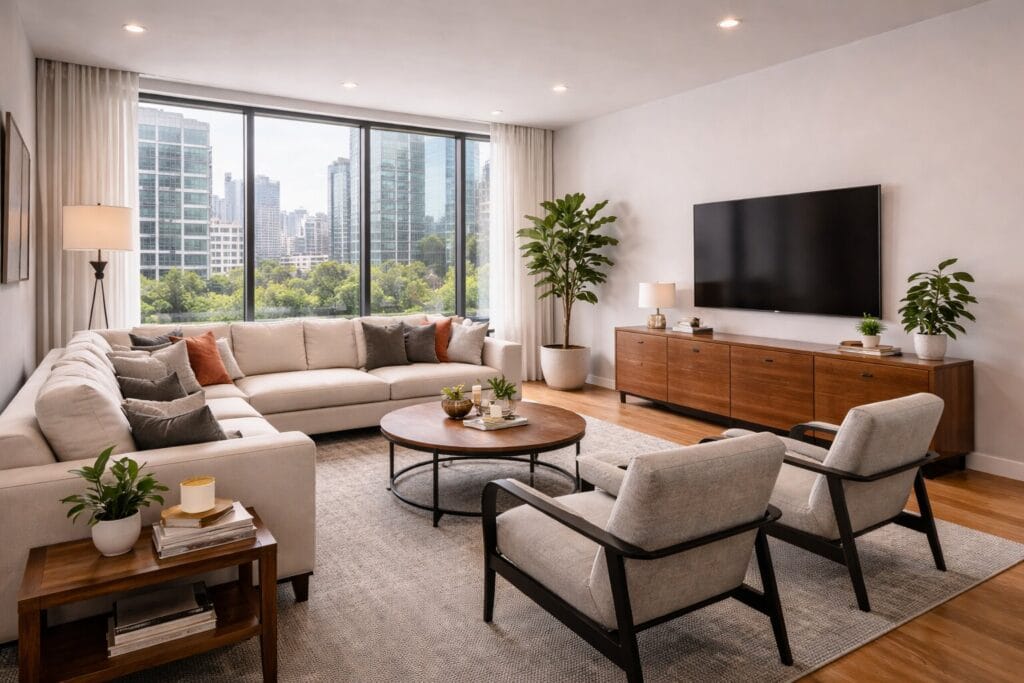
Oversized furniture can quickly overwhelm a small apartment.
Instead:
- Choose slimmer profiles
- Opt for raised furniture (with visible legs)
- Keep proportions balanced
This helps maintain a sense of openness.
Create Defined Zones Without Walls
Even in compact spaces, it’s important to separate functions.
You can use:
- Rugs
- Lighting
- Furniture placement
to visually define areas without closing the space.
Keep the Palette Cohesive
A consistent color palette helps unify the space.
- Use light or neutral base tones
- Add subtle accents for depth
- Avoid too many contrasting colors
This creates visual continuity and reduces fragmentation.
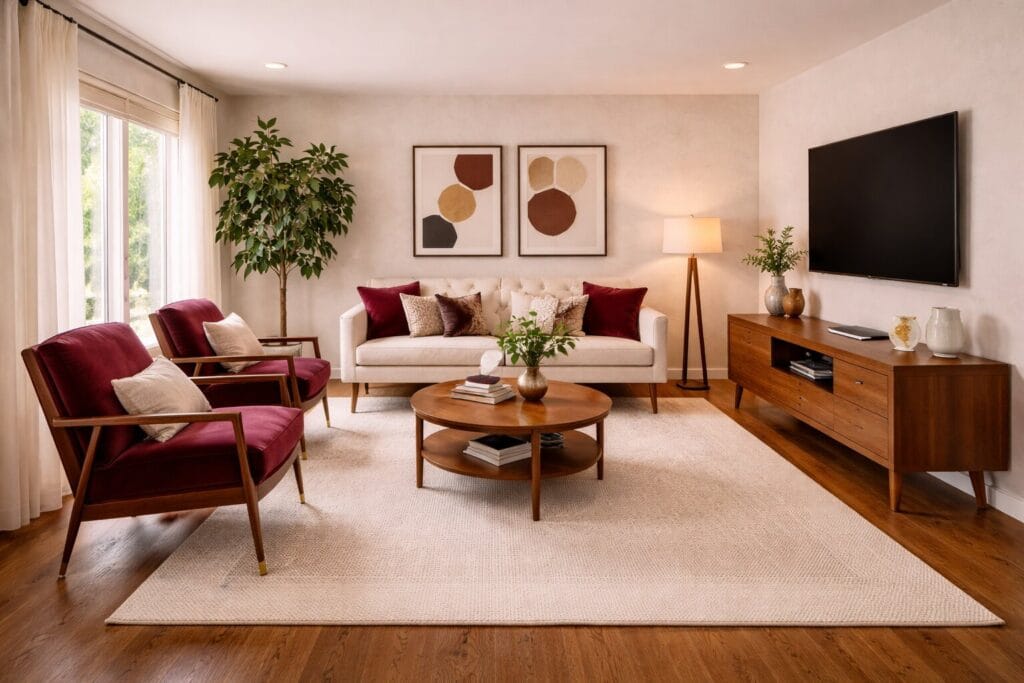
Use Light to Your Advantage
Natural light makes a space feel larger and more comfortable.
- Keep window areas unobstructed
- Use sheer curtains instead of heavy ones
- Add mirrors to reflect light and expand perception
Lighting should enhance openness, not block it.
Maximize Storage Thoughtfully
Storage is essential, but it should be integrated into the design.
- Use vertical space (shelves, tall cabinets)
- Incorporate hidden storage
- Avoid overloading visible areas
Well-planned storage keeps the space organized without feeling crowded.
Keep It Minimal, Not Empty
A small apartment should feel intentional, not sparse.
- Select a few meaningful pieces
- Avoid unnecessary decoration
- Let materials and textures add interest
This maintains balance between simplicity and character.
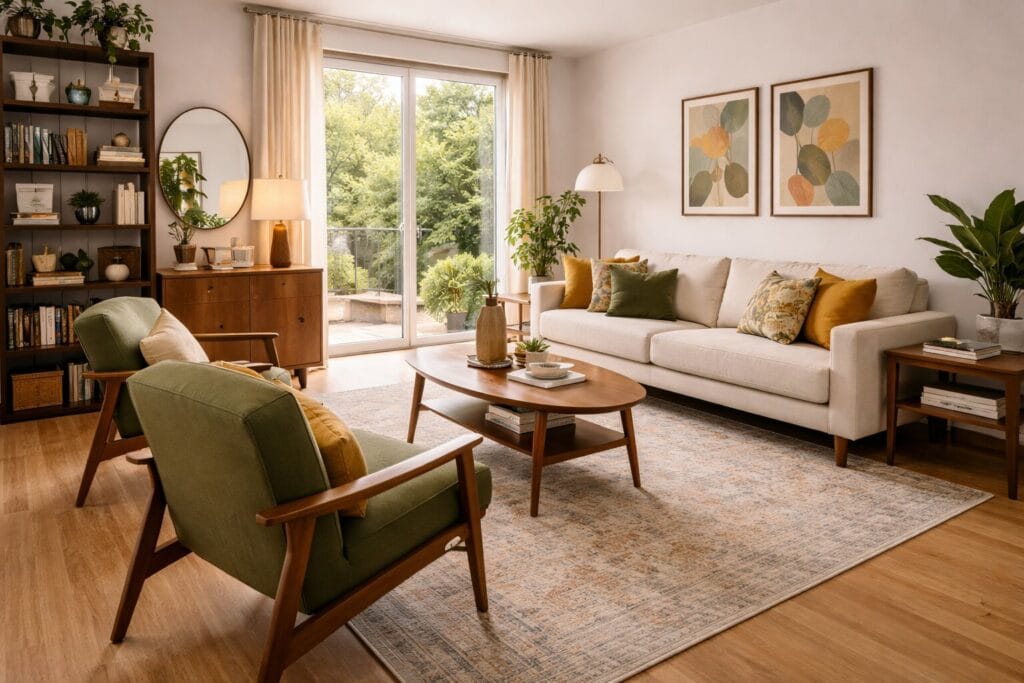
Common Mistakes to Avoid
- Overfilling the space with furniture
- Using too many different colors or materials
- Blocking natural light
- Ignoring circulation paths
In Practice
At MCM Studio, compact spaces are approached with the same attention as larger projects. Through careful planning, material selection, and proportion, small apartments can achieve both functionality and a refined aesthetic.
Conclusion
Designing a small apartment efficiently is about clarity and intention. By focusing on layout, scale, and thoughtful choices, even limited spaces can feel open, comfortable, and well-designed.